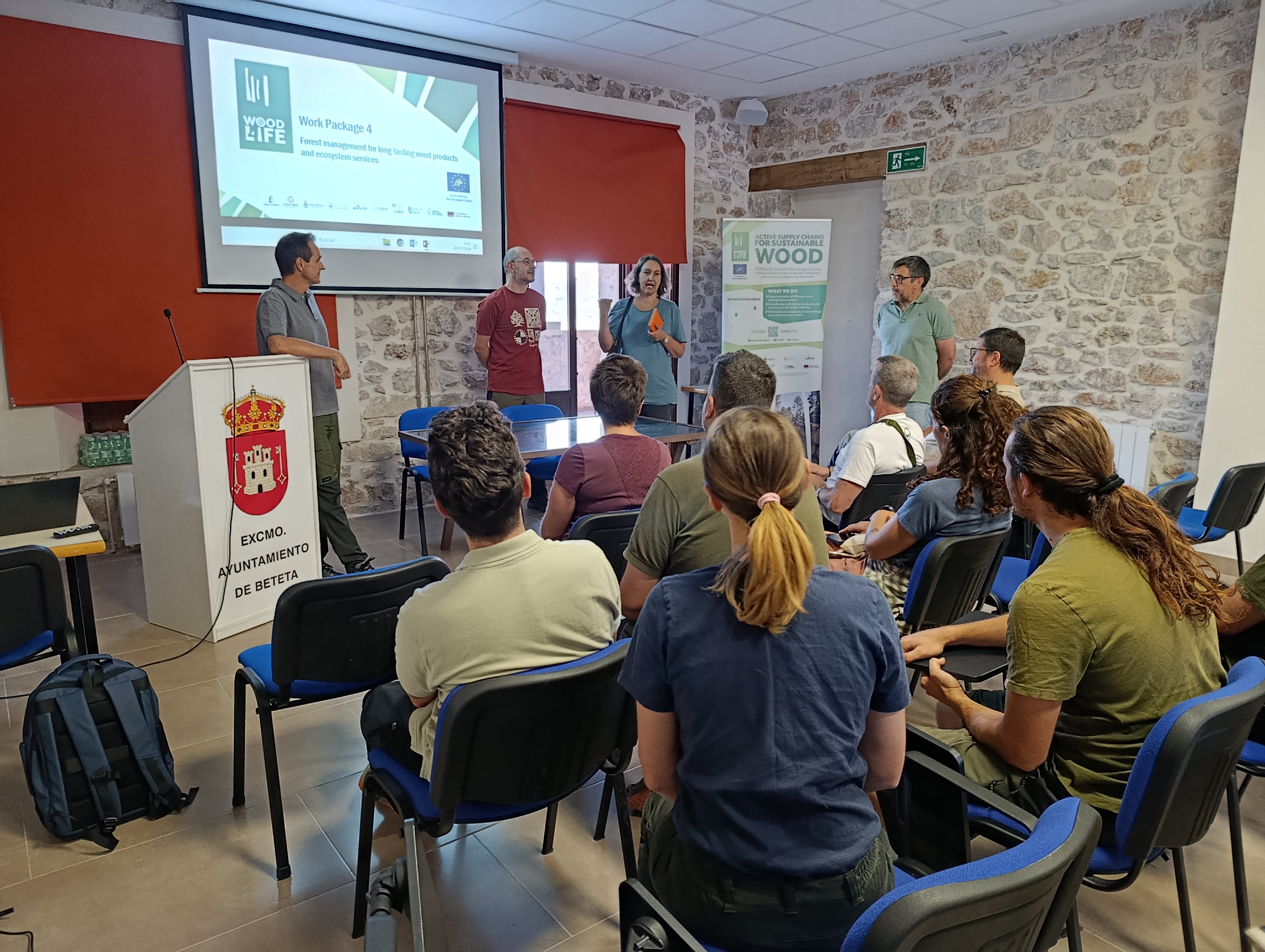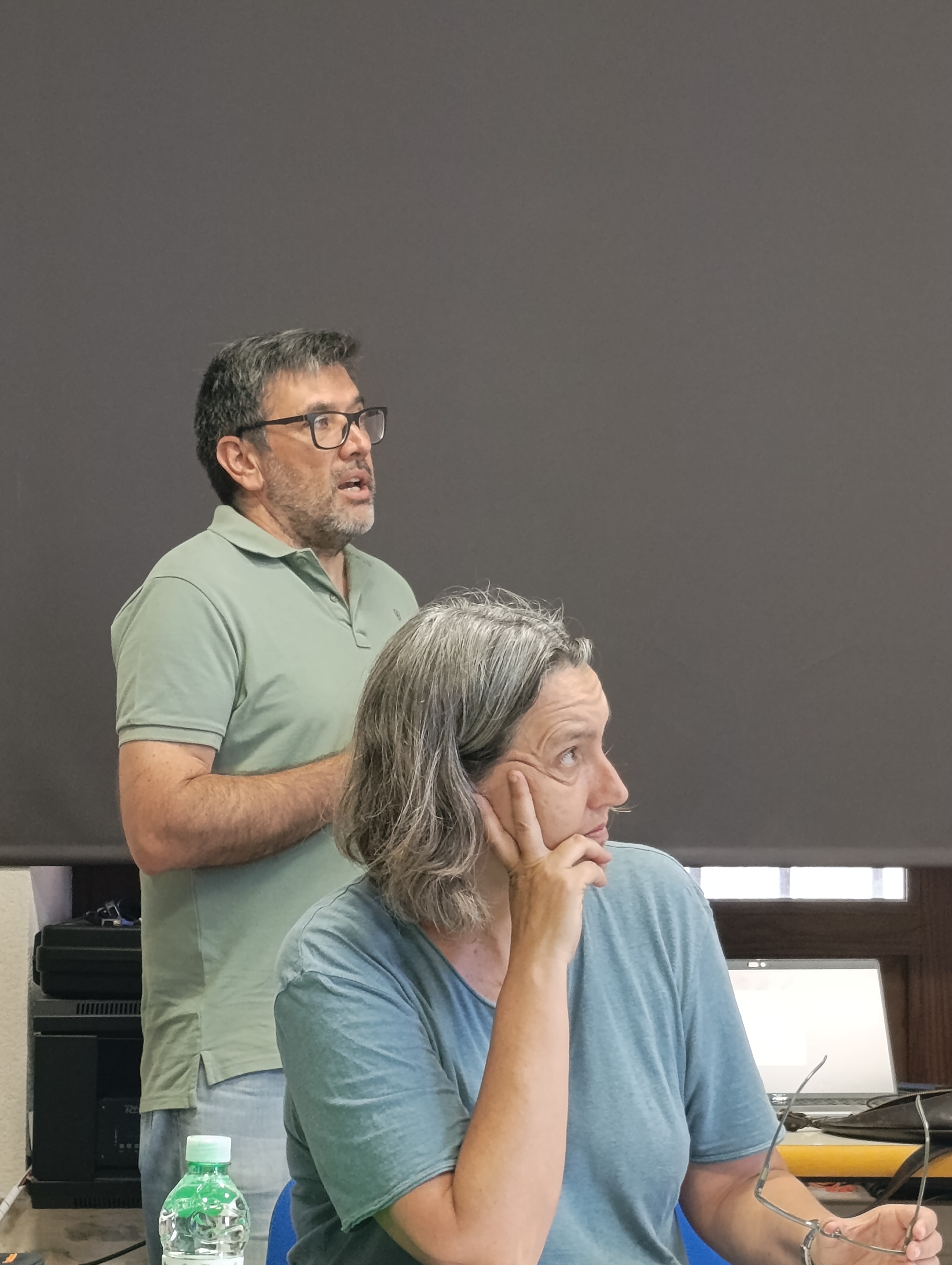

On July 7-8, the LIFE WOOD4LIFE project held its monitoring visit in Beteta, Spain — a key moment to review progress and plan upcoming activities.
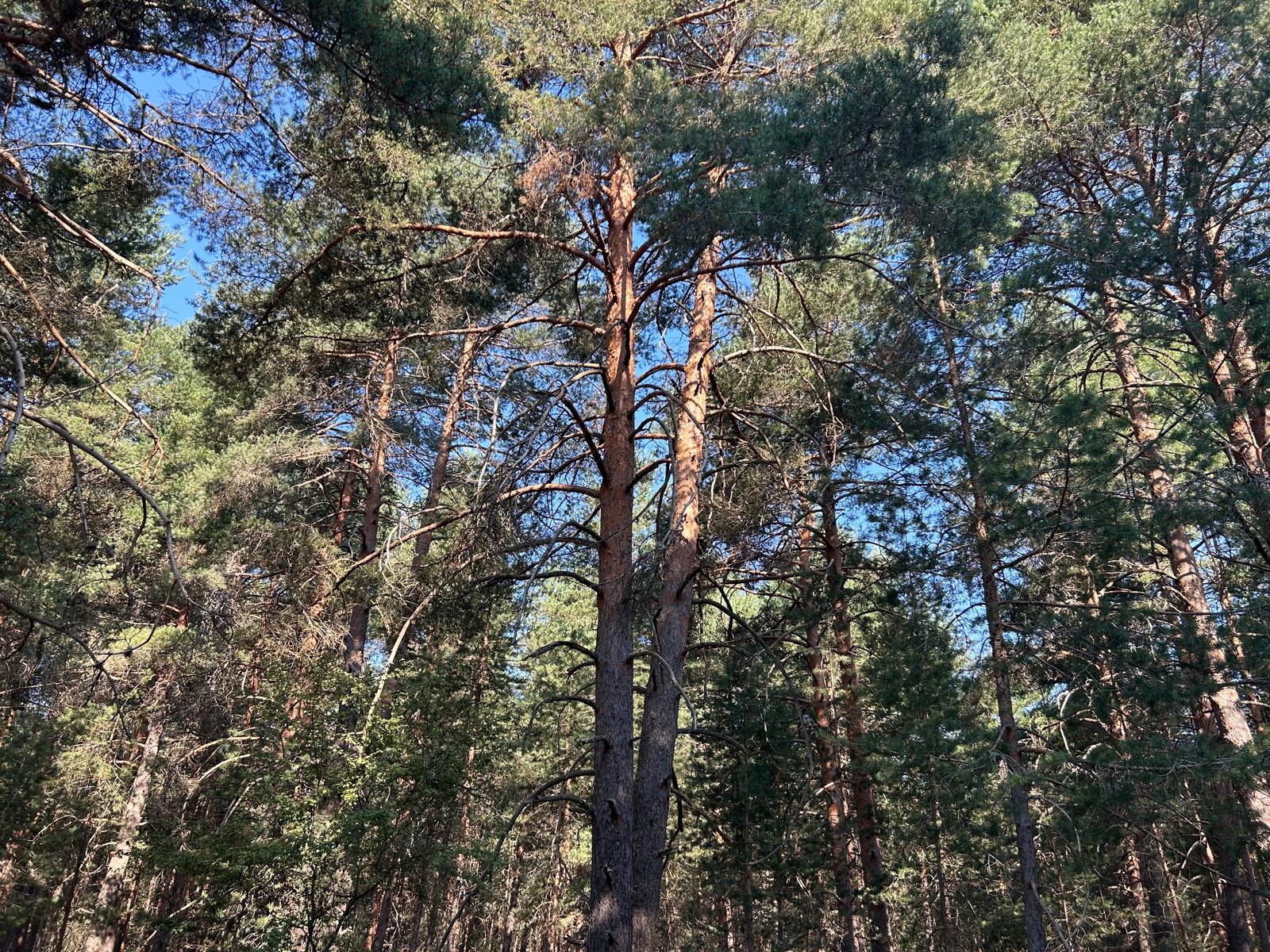
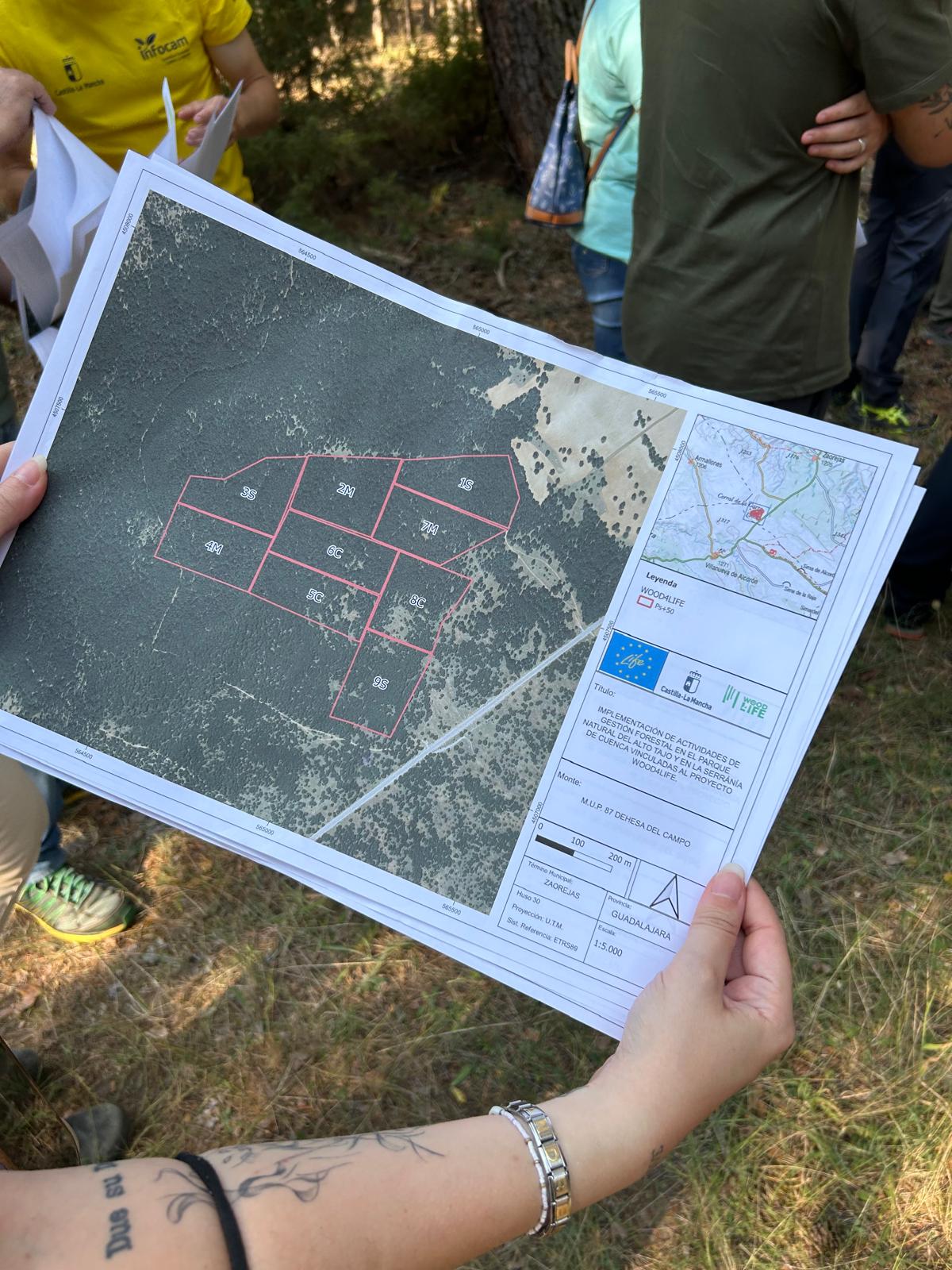
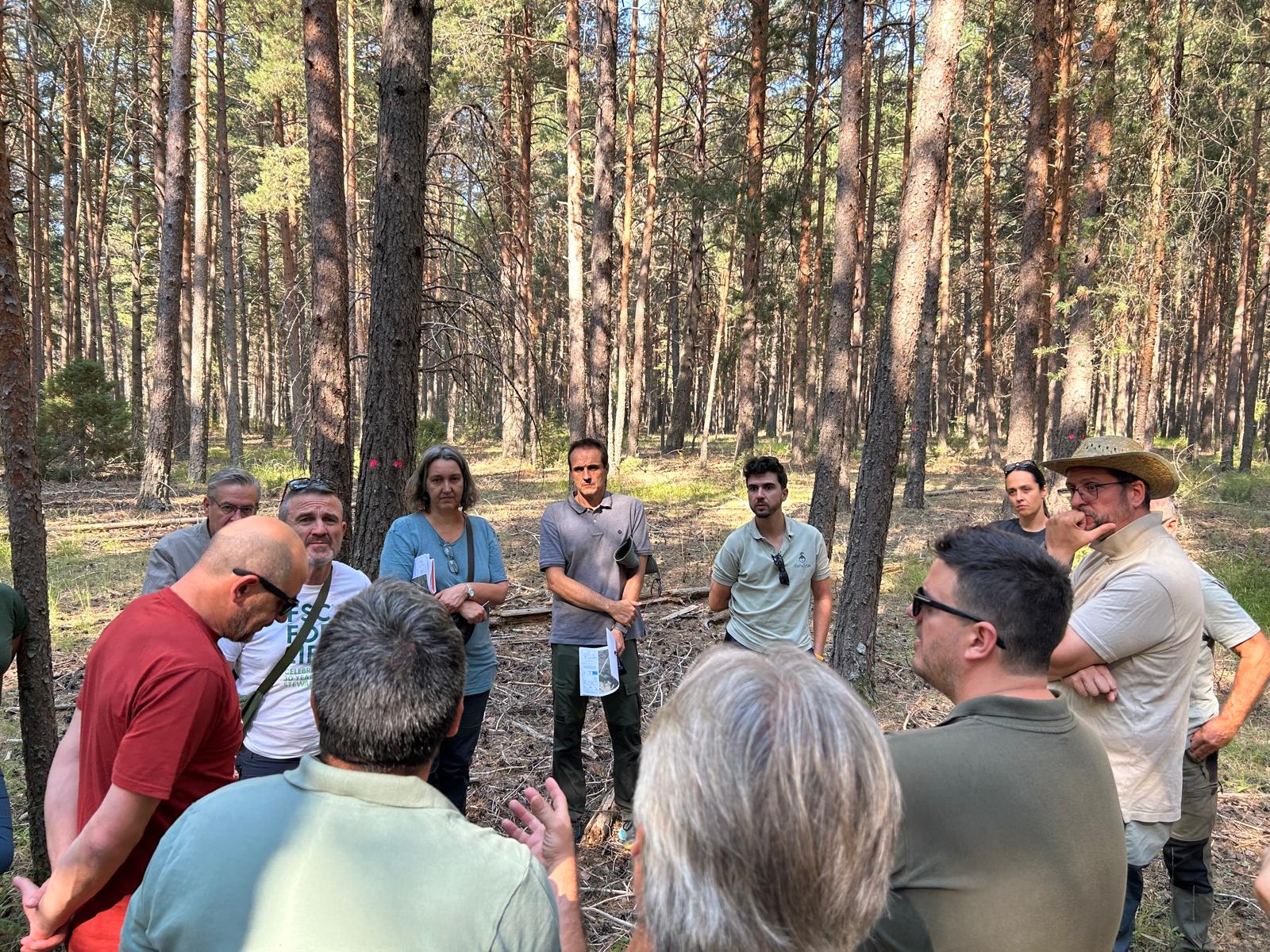
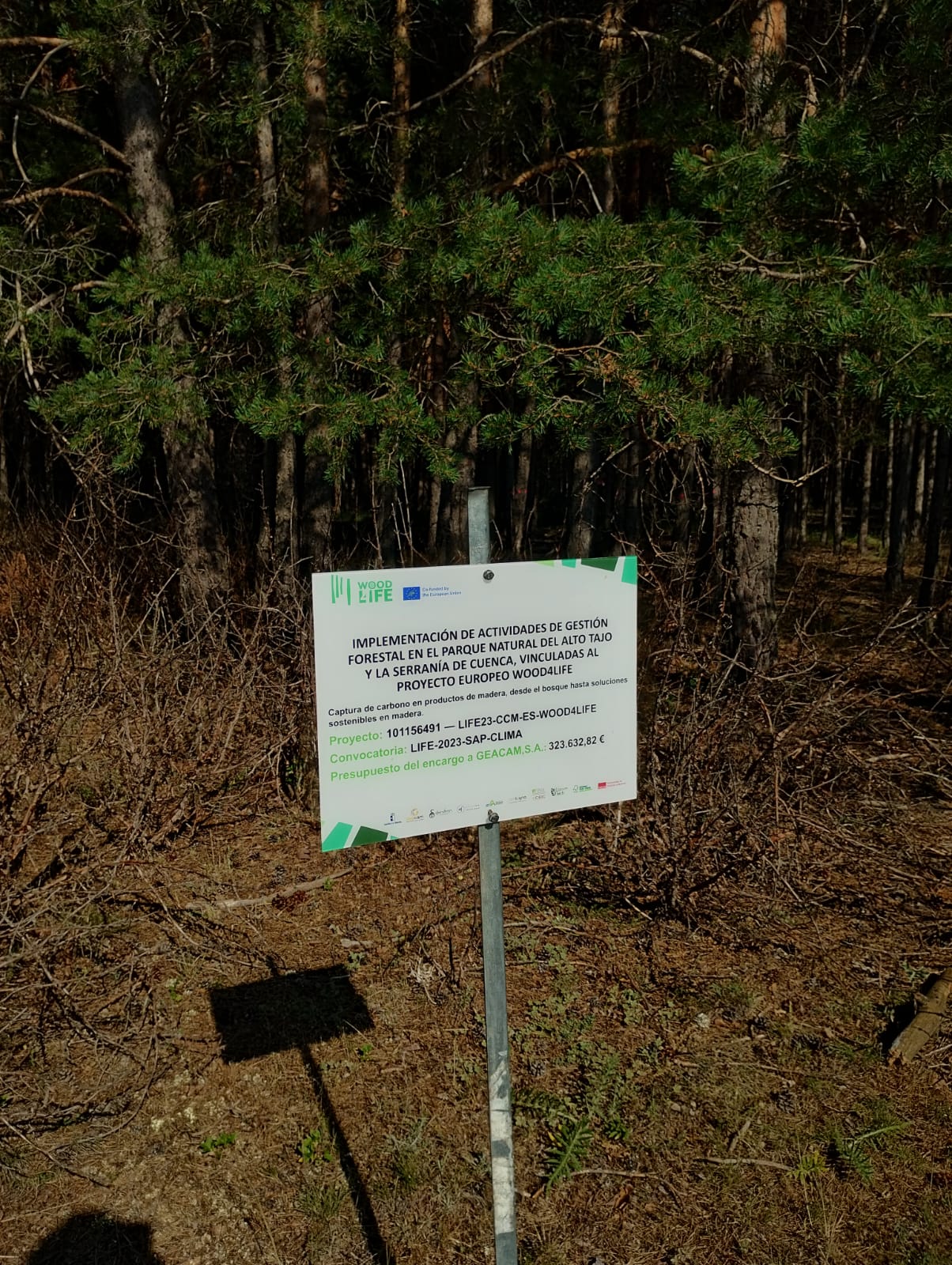
The first day was dedicated to fieldwork. Led by CSIC and JCCM, partners visited the project's demonstration plots, observing the silvicultural treatments carried out and comparing them with what had been originally planned. The visit included an overview of the experimental design, based on a comparison between control and intervention plots, along with the first observable effects on forest stand structure and quality. Hosted in the stunning Alto Tajo Natural Park, partners had the chance to see first-hand the rural reality of the region and its vast black pine and Scots pine forests, and to reflect together on the challenges facing these territories and the forestry sector more broadly. The plots visited are testing multifunctional forest management interventions aimed at producing quality timber, sequestering carbon, and supporting biodiversity.
Enhancing the value of timber requires structured, solid value chains, where every actor plays a necessary role that deserves recognition. Through WOOD4LIFE, partners aim to revitalise local forest value chains and promote the fundamental role of wood as a renewable resource in mitigating climate change — one that, if well managed, can store CO2 for very long periods.
In the afternoon, the focus shifted to a technical review of the project, with progress updates from each work package: overall coordination (JCCM), the monitoring and quality control system (UCLM), preparatory activities (Dendron), and the valuation of ecosystem services, including updates on the Carbon Tool and the Timber Value Chain Protocol (ETIFOR/CSIC).
The second day was dedicated to the financial review, with a detailed analysis of the project's financial execution and cost justification, led by the monitor. The agenda also covered sustainability and replicability (FSC Spain) and, of course, communication and dissemination (Dendron/ETIFOR), with an overview of the activities carried out and materials produced so far.
Following the project on behalf of the European Commission is Sara Barceló, who used the visit to assess progress closely and provide guidance for the preparation of the upcoming interim report.
A special thanks goes to the Junta de Comunidades de Castilla-La Mancha (JCCM), project coordinator, for the excellent organisation of the visit, and to all project partners for their commitment and involvement throughout these two days.