
The construction sector is responsible for around 40% of global CO₂, equivalent emissions, making its decarbonisation one of Europe’s most urgent challenges. Within this context, long-lasting wood products offer a powerful solution: they store carbon over decades, substitute high-emission materials such as steel and concrete, and strengthen local forest economies.
Under Task 3.2[martina.d1] of the WOOD4LIFE project, partners have completed an in-depth characterisation of Mediterranean wood value chains, focusing on innovative products designed for construction. The analysis provides new evidence on where value is created, where emissions occur, and how sustainable forest management can be rewarded through the market.
From forest to building: what was analysed?
The study examined three representative semi-finished wood products from Spain and Italy, selected for their relevance to construction, carbon storage potential and market innovation:
- Industrialised façade panels – Lignum Tech (Spain)
- Chestnut and oak structural beams – Legnami Priola (Italy)
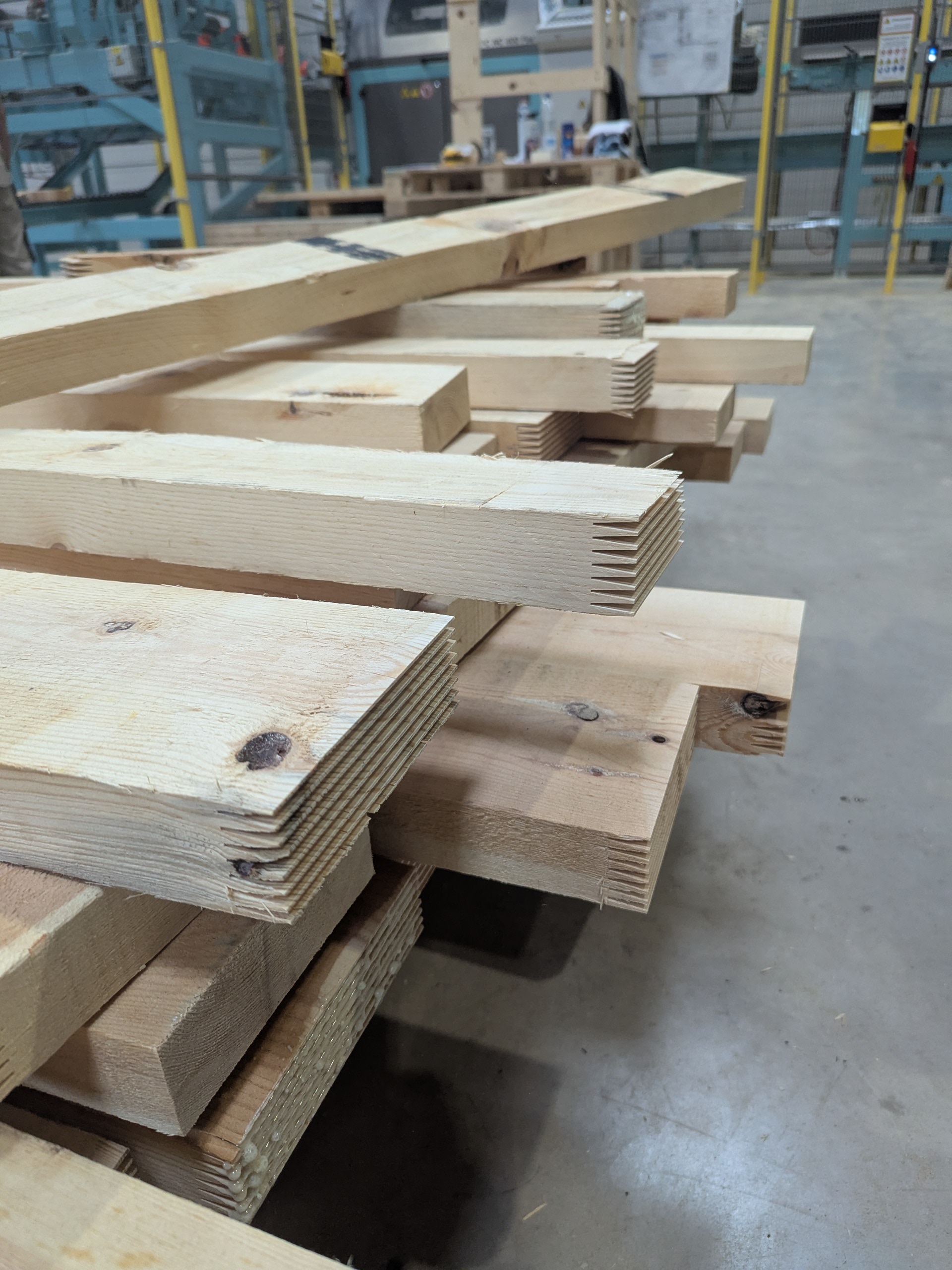
- CLT panels and glulam beams – Treehood (Spain)
Together, these case studies cover engineered and solid wood, softwood and hardwood, and regional and cross-border supply chains, offering a comprehensive picture of Mediterranean forest–wood systems.
Key findings at a glance
- 60–70% of Lignum Tech’s structural timber comes from certified forests in Cuenca, travelling just 30 km from forest to factory.
- Treehood sources mainly local pine (Pinus nigra and Pinus sylvestris) from Teruel and surrounding regions, reinforcing domestic supply chains.
- Legnami Priola transforms 100% certified chestnut and oak from French state forests into high-value structural beams for Italy and the UK.
Transport matters — but durability matters more
Some components, such as OSB panels used in Lignum Tech façades, travel up to 1.350 km from France to Spain. While this increases transport emissions, the study highlights that:
- These panels are made from low-grade residues that would otherwise have limited use.
- When integrated into long-life façade systems, their carbon storage and substitution benefits can outweigh transport impacts over the building’s lifespan.
Innovation boosts efficiency and resilience
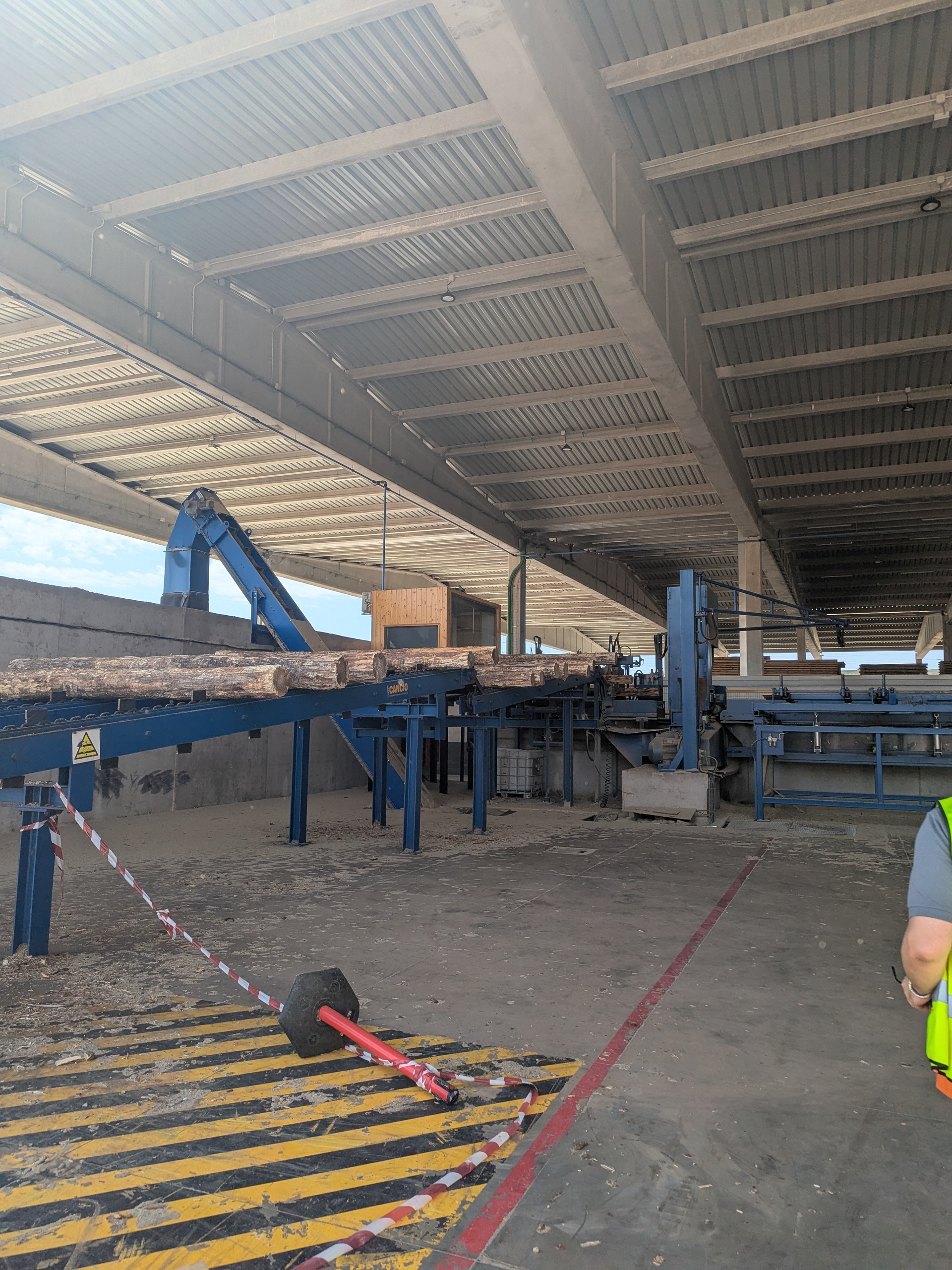
- Lignum Tech operates a 10.000m² fully automated factory, assembling complete façades off-site to reduce waste, time and on-site emissions.
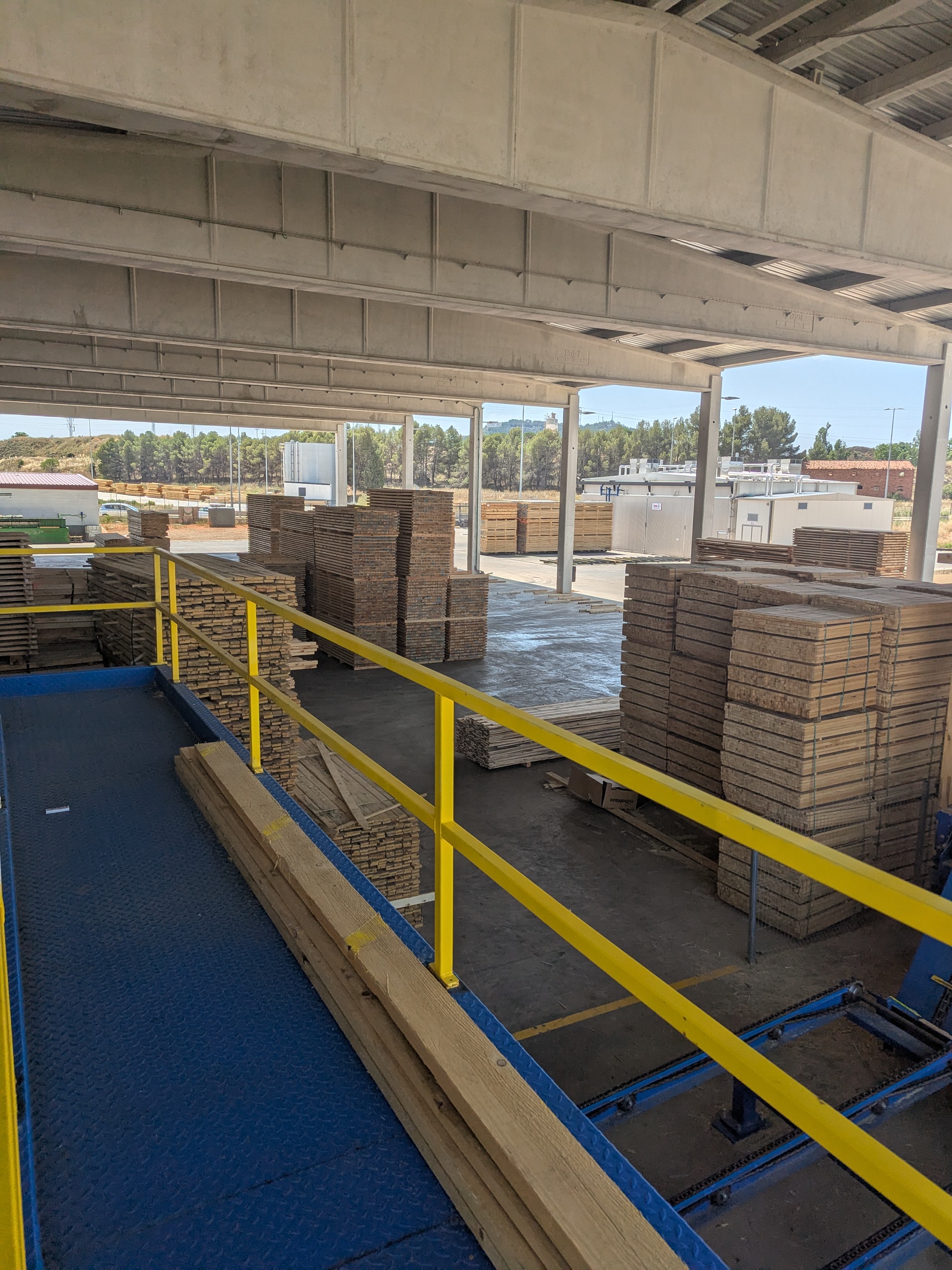
- Treehood’s CLT plant already reaches 900m³/month (10.000m³/year) and uses biomass boilers and solar PV to reduce fossil energy demand.
- Advanced grading and testing allow engineered products to reach C16–C24 strength classes, enabling use in multi-storey construction.
Certification builds trust — and market access
All analysed chains rely on PEFC and/or FSC certification, combined with CE marking for structural performance. These frameworks:
- Guarantee legality and traceability.
- Reduce reputational and regulatory risks.
- Prepare the ground for future carbon certification under the EU CRCF Regulation, opening the door to new climate-driven business models.
Why this matters for climate and rural areas
The findings confirm that value chain design is as important as the material itself. Short, certified supply chains maximise local benefits, while industrial innovation enables wood products to compete in mainstream construction markets.
By shifting from short-lived uses (e.g. pallets or energy) to durable construction products, Mediterranean forests can:
- Store carbon for decades,
- Support rural employment,
- Enhance biodiversity and ecosystem services,
- Strengthen Europe’s low-carbon bioeconomy.
Download the full report
This article only scratches the surface. The full report provides detailed supply chain maps, quantitative data, risk and opportunity analysis, and a solid foundation for Life Cycle Assessment and carbon accounting under WOOD4LIFE.
By understanding how wood moves from forest to building, WOOD4LIFE is helping turn sustainable forest management into a measurable, market-ready climate solution.
[martina.d1]Not sure if it is useful to mention the task, I would instead specify WHEN it has been done